

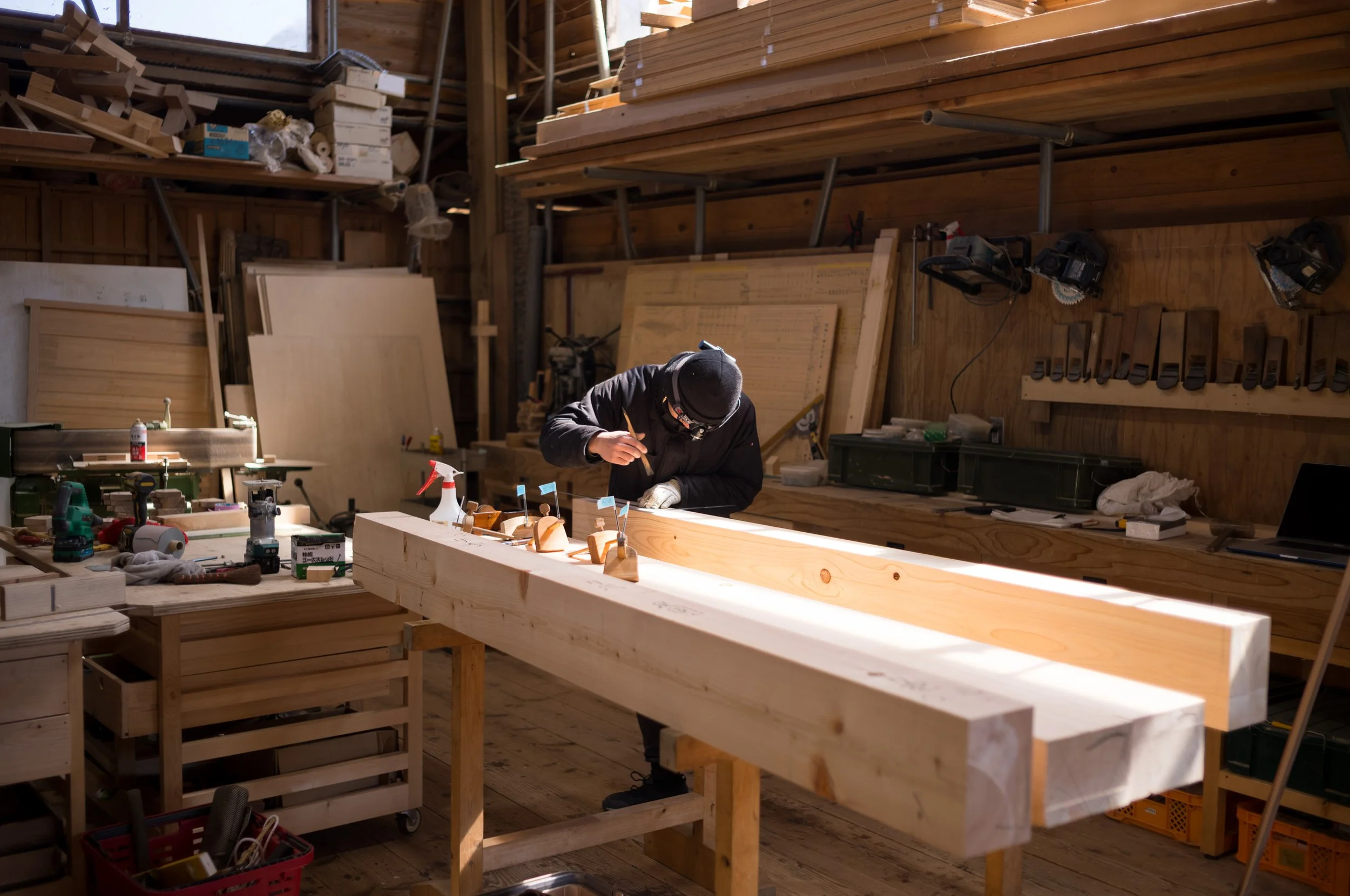
The Somakosha School
The Japanese Tradition Taught By Professionals
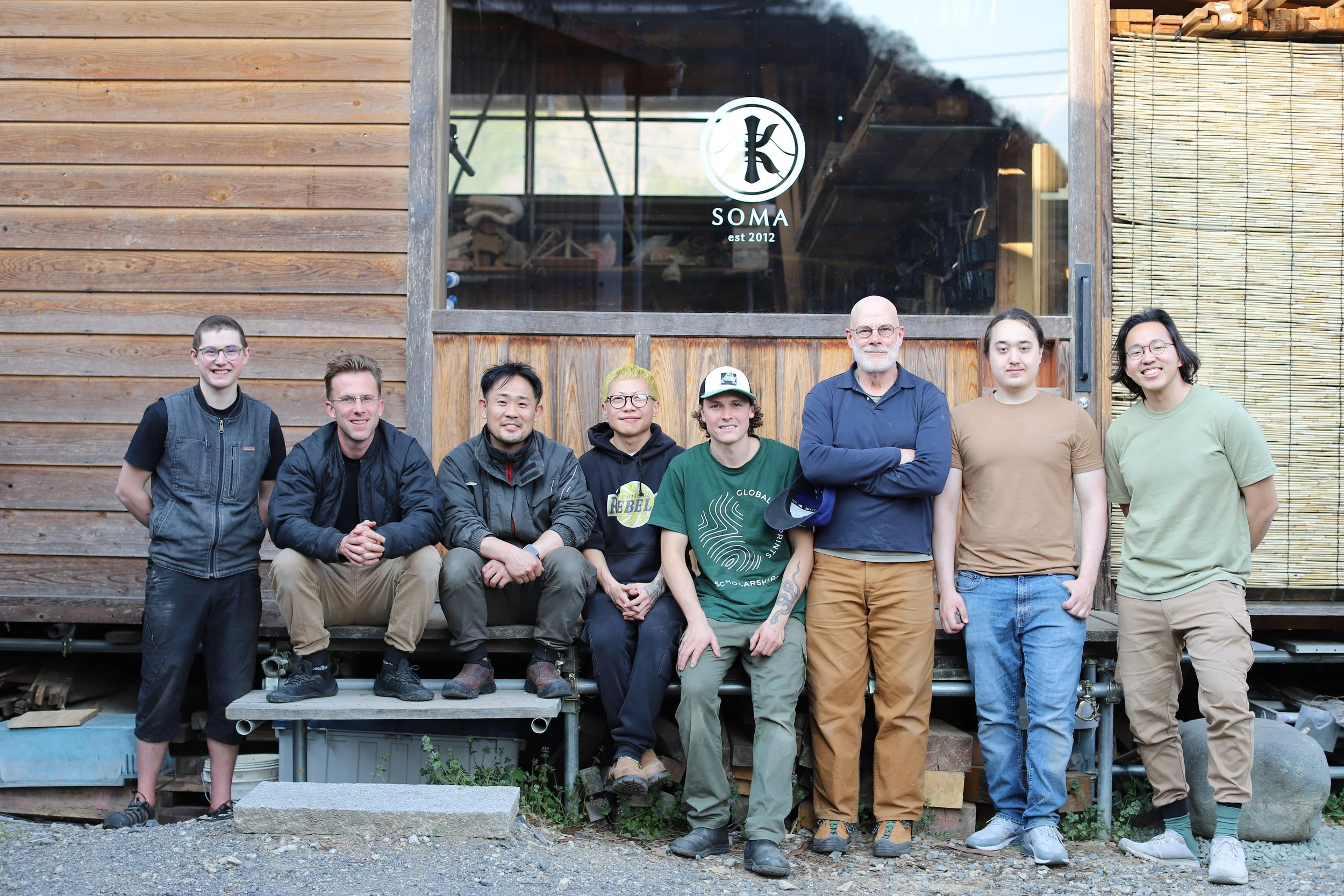

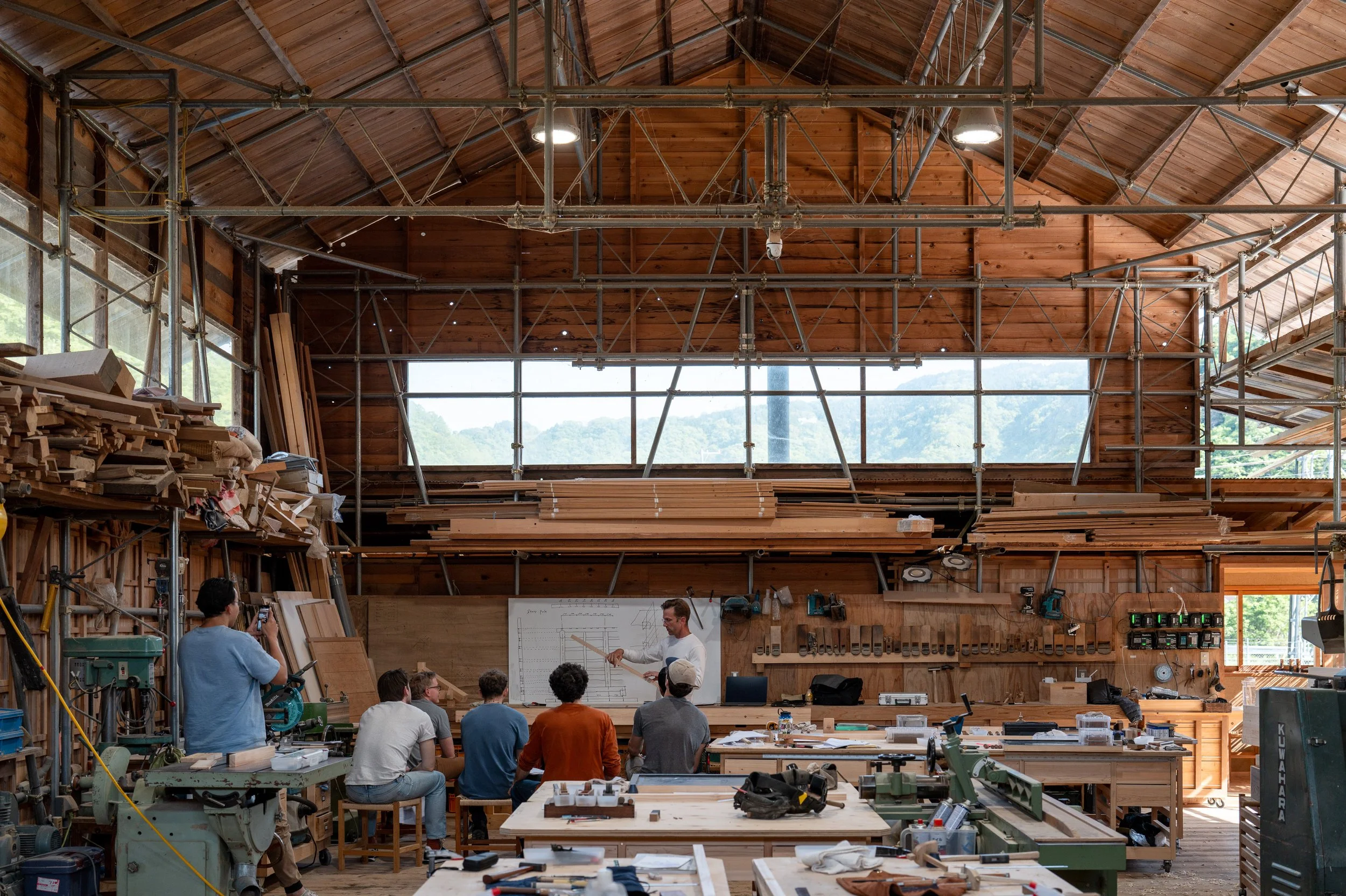
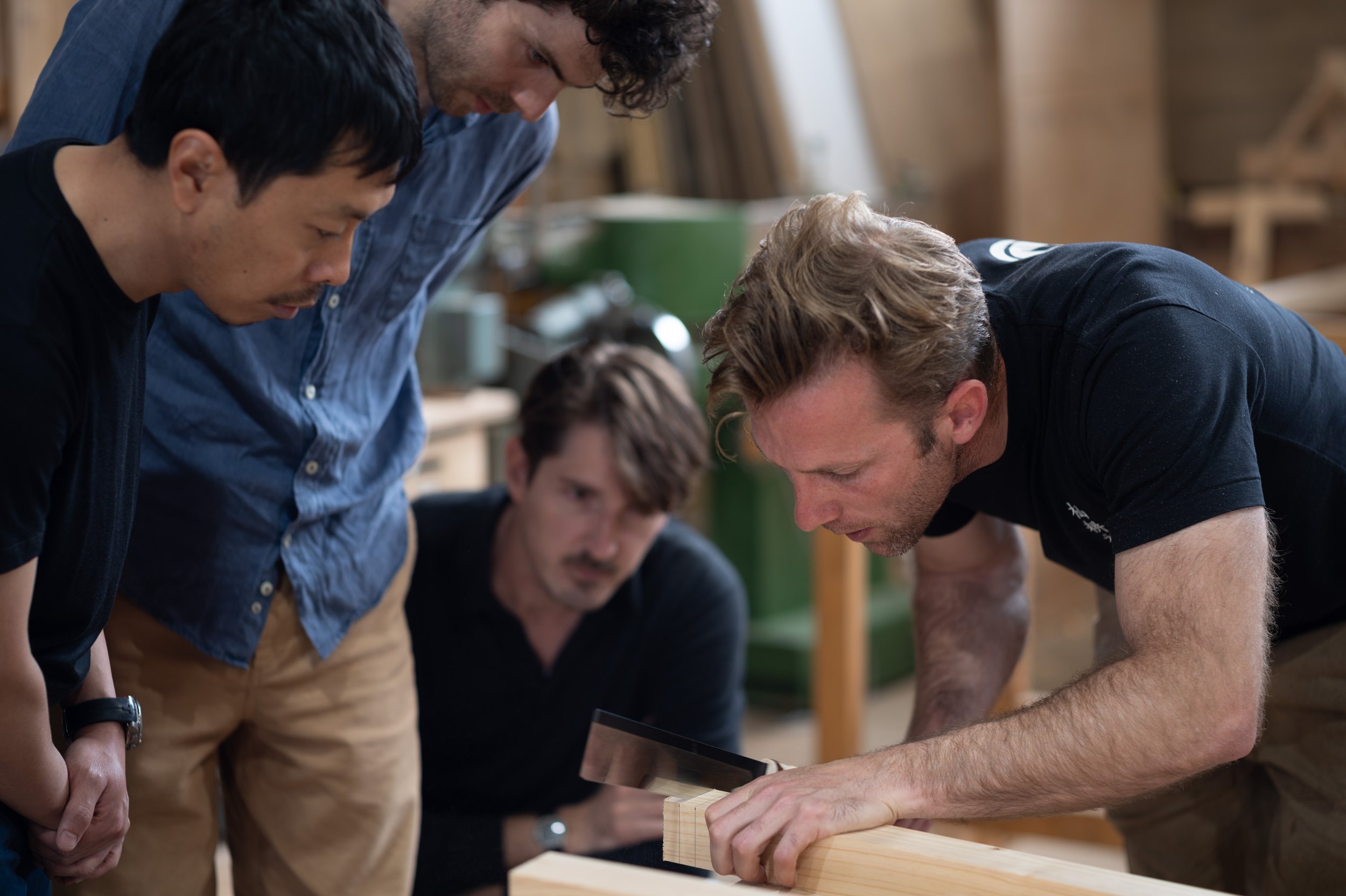
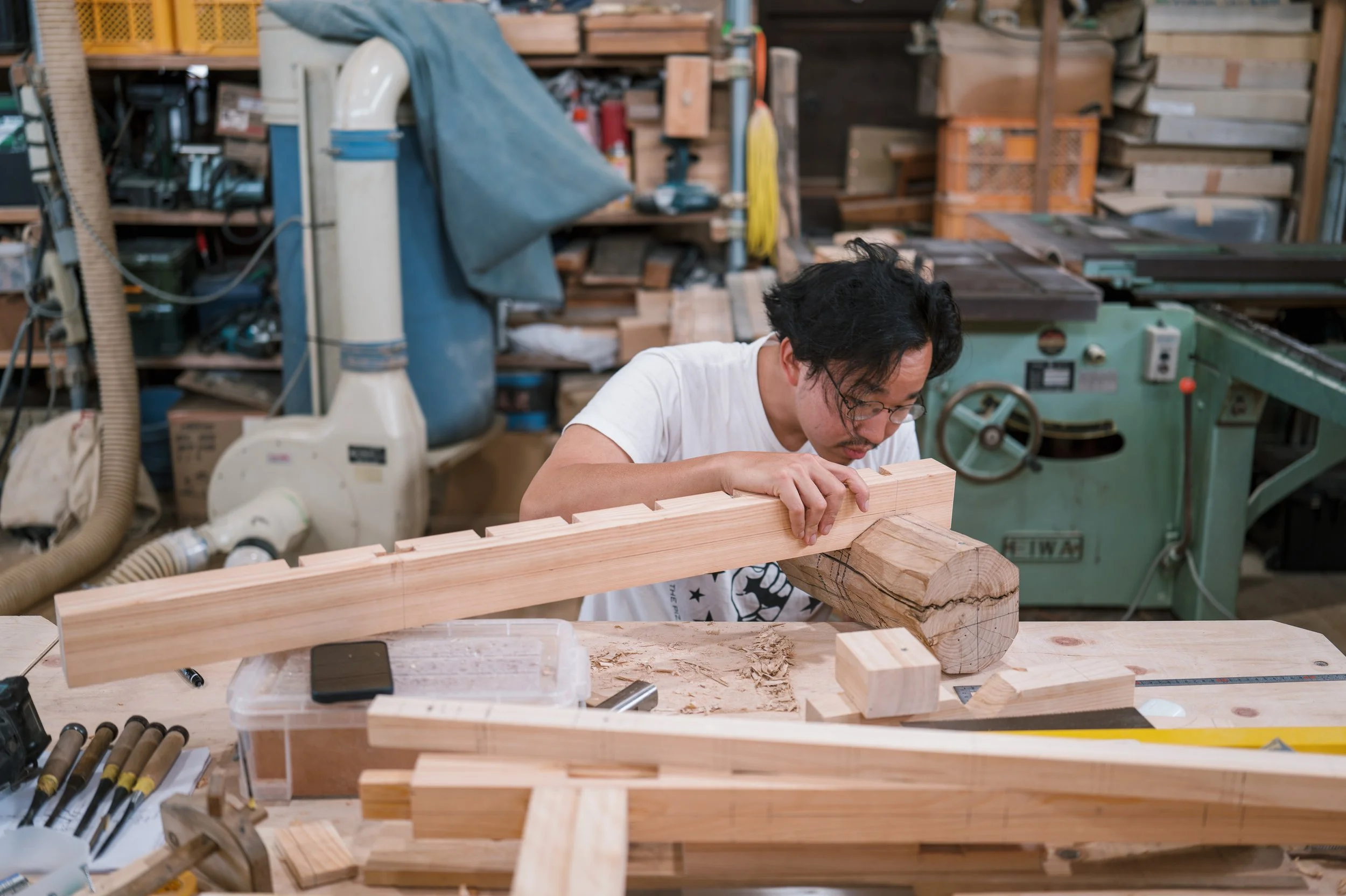
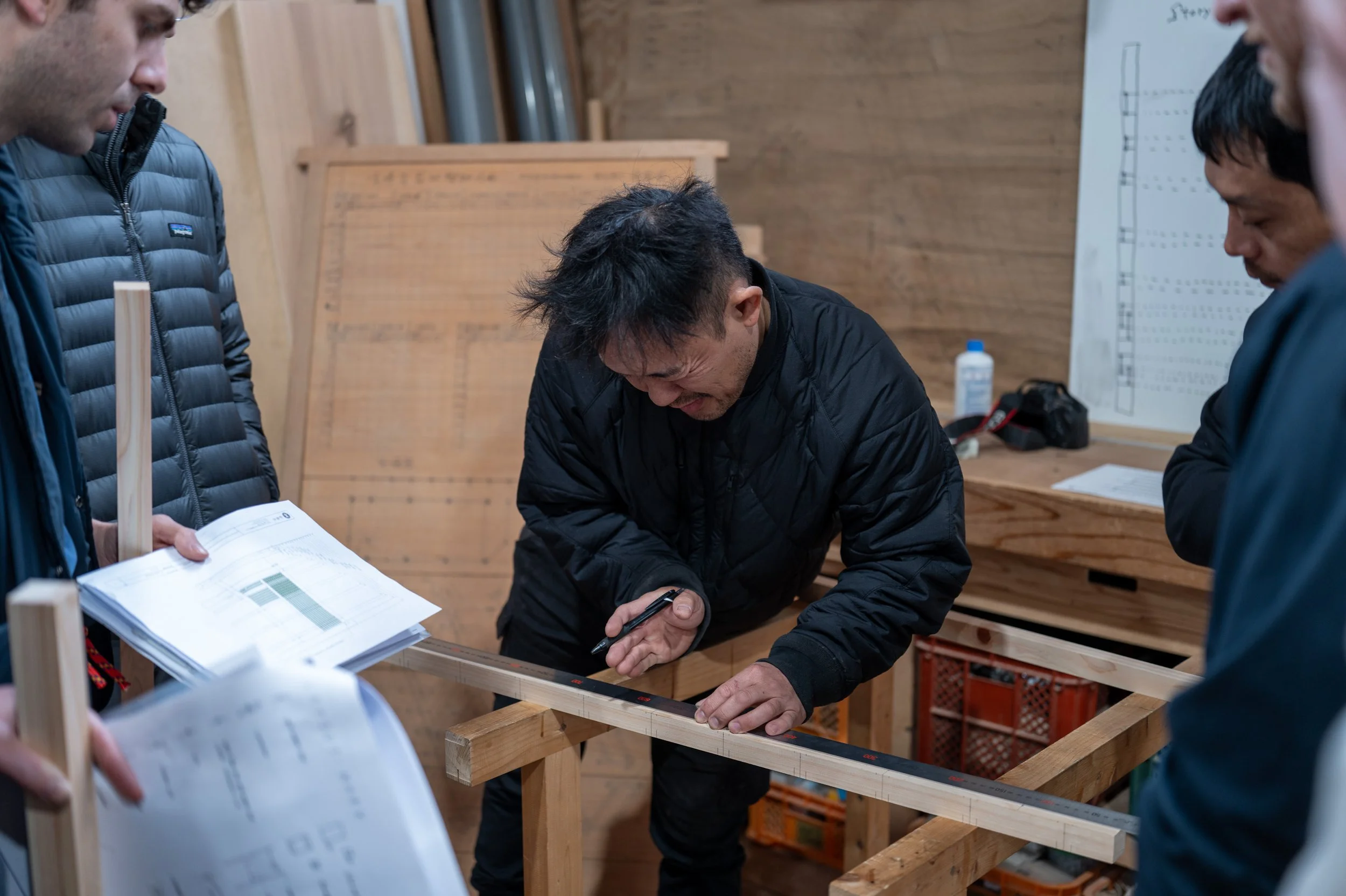
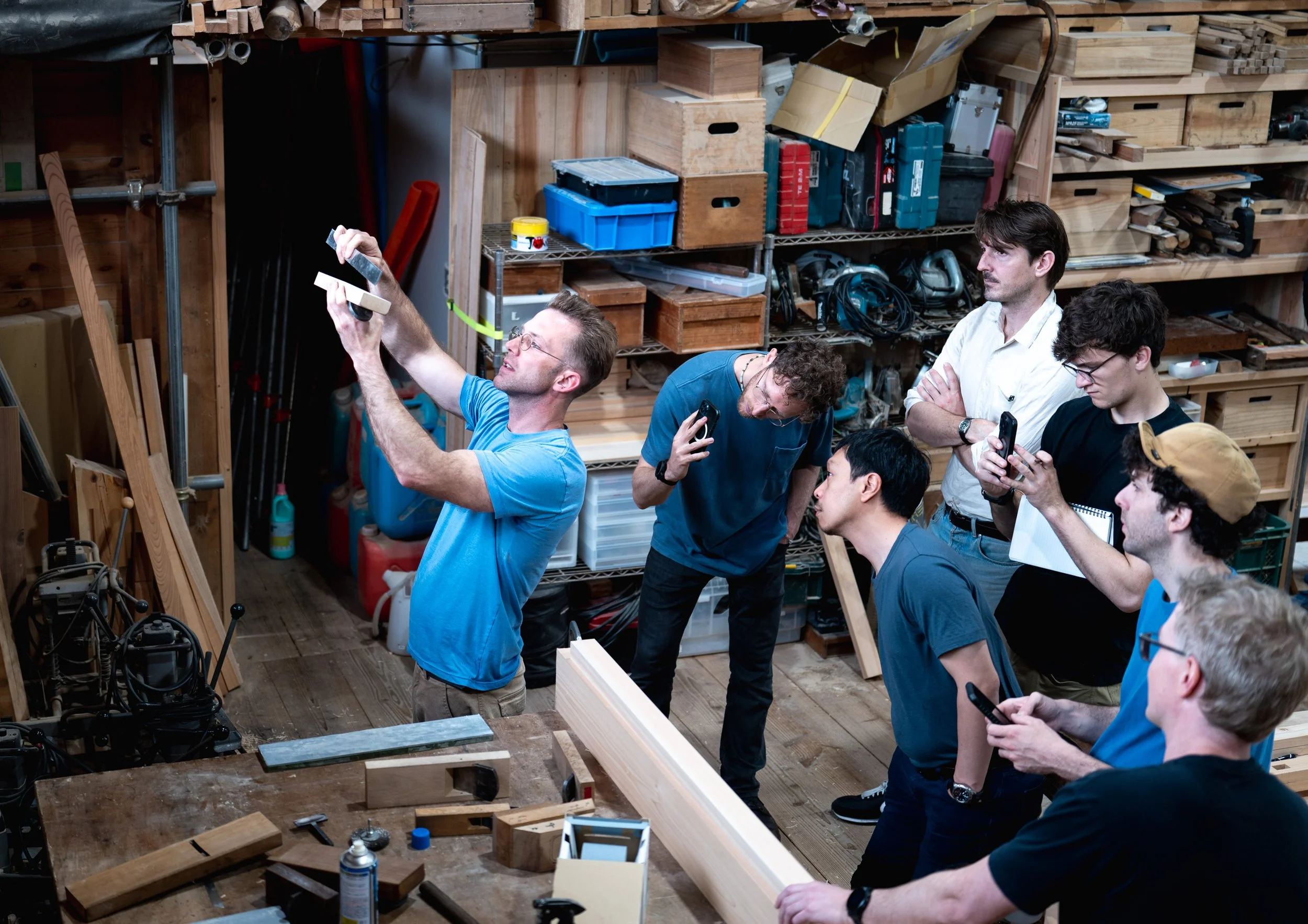
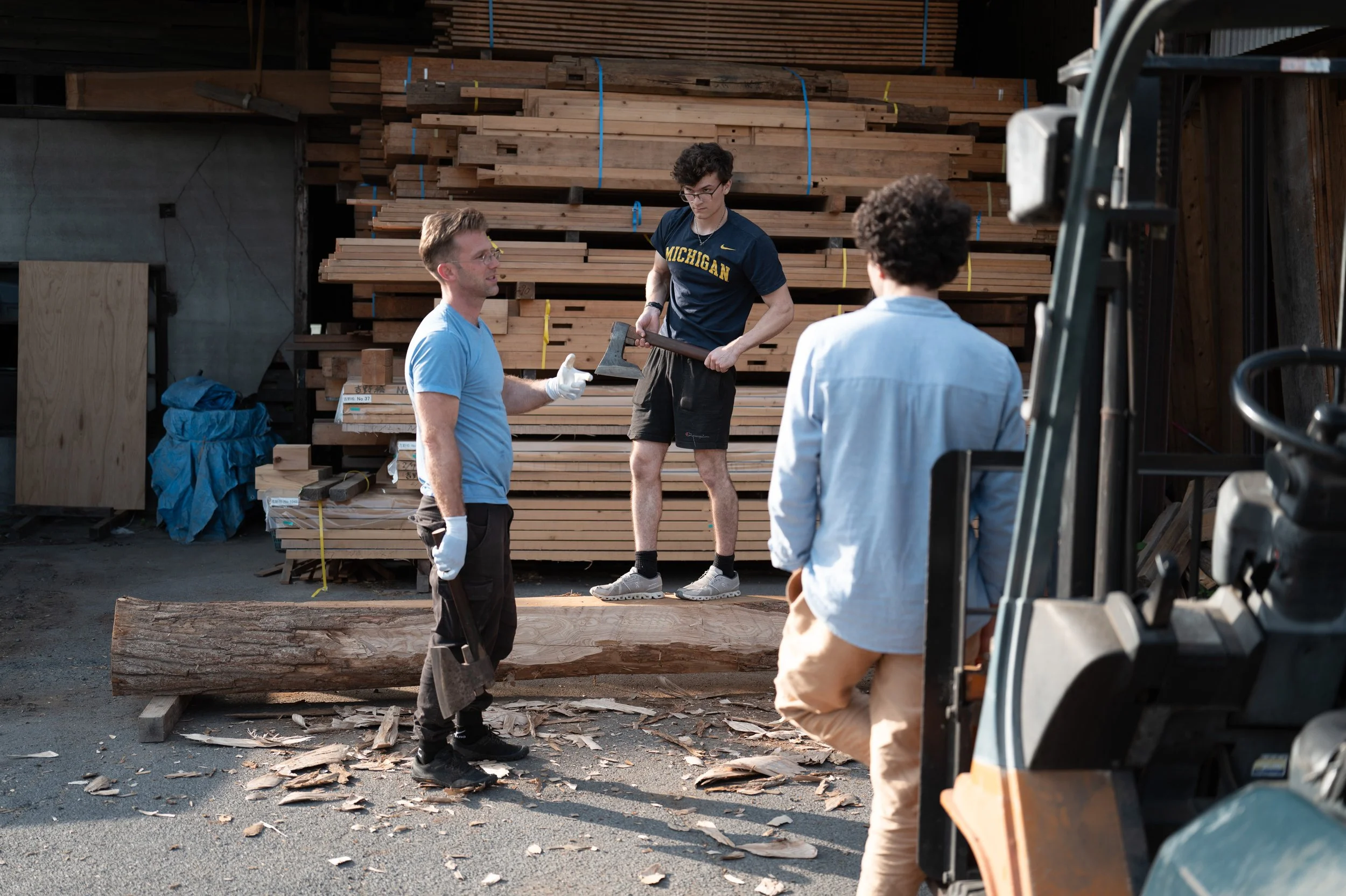
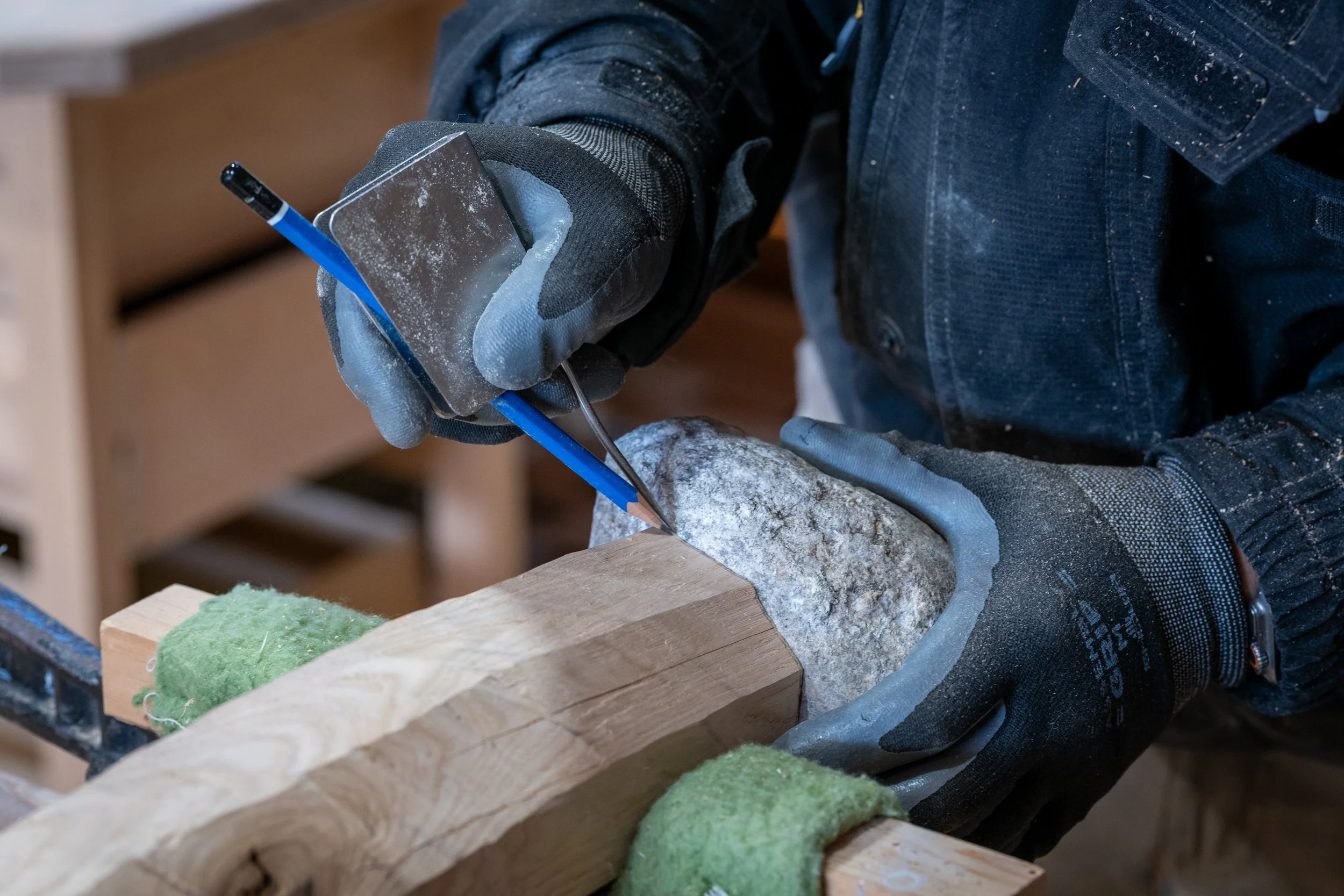
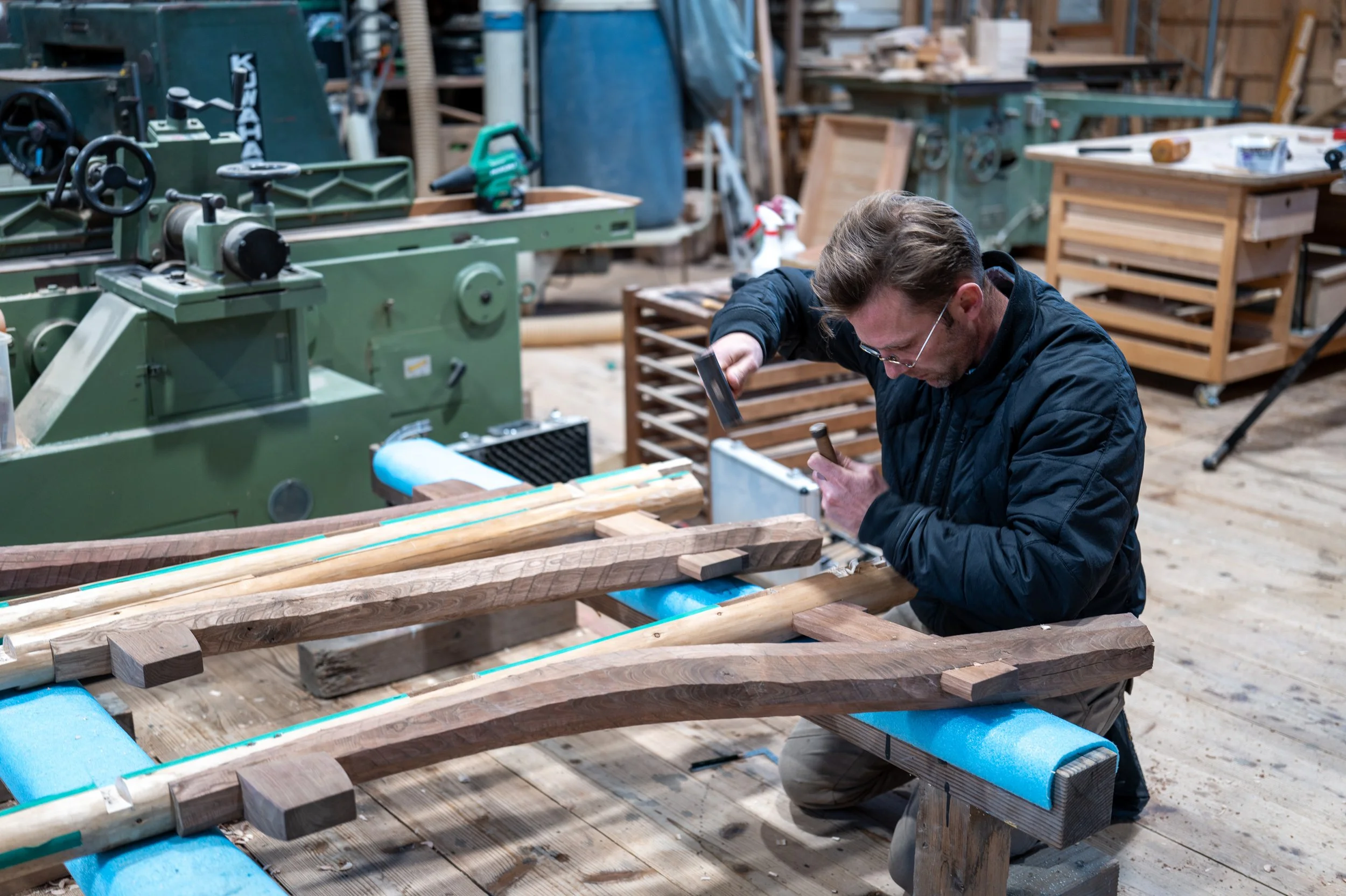
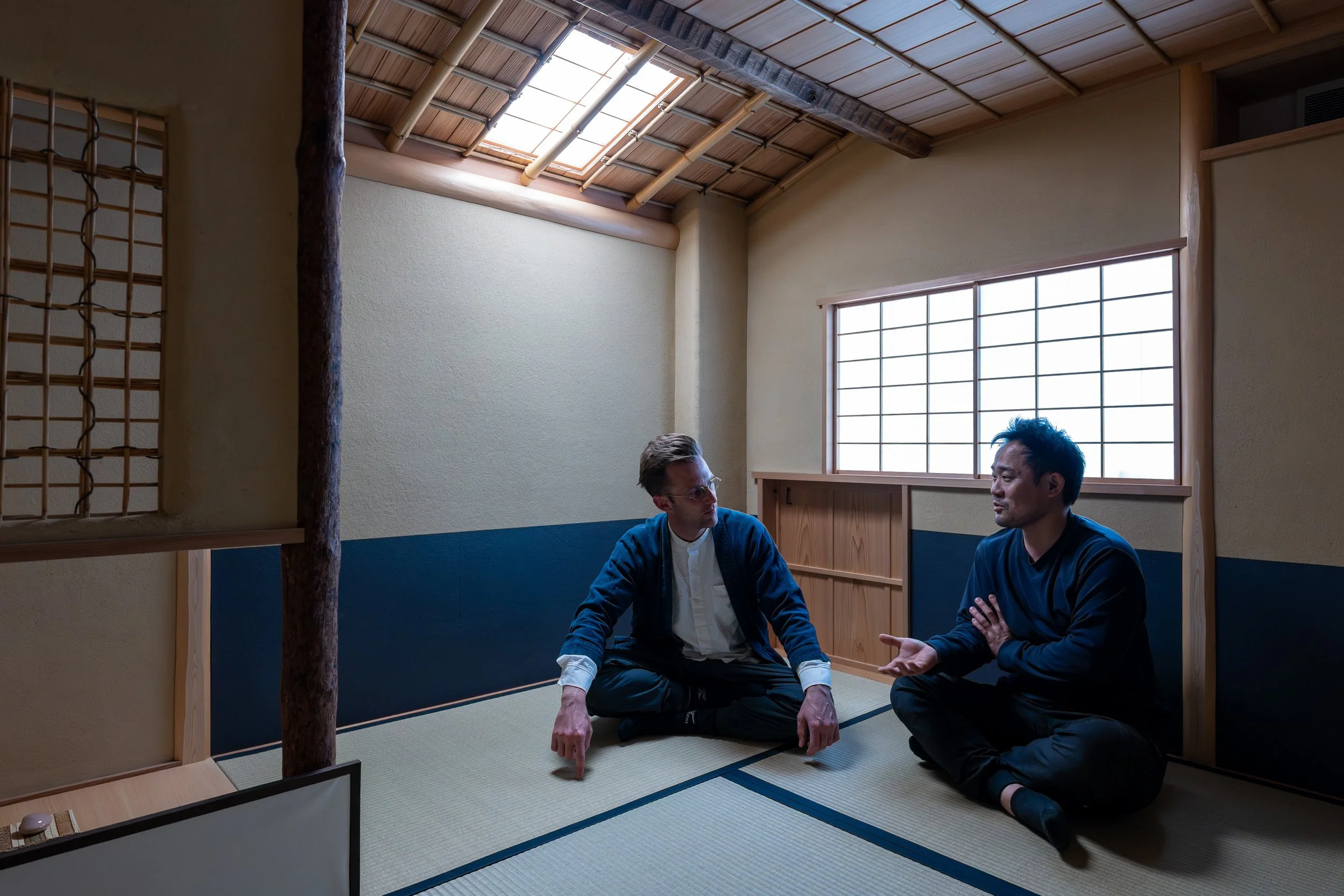
Founded in 2012, Somakosha is a traditional Japanese carpentry firm based in Okayama, Japan. We are an active construction company with projects both in Japan and around the world. Over the years, we have received many requests for lessons and apprenticeships. This overwhelming interest has led us to start a school in order to reach those looking to pursue either a professional or an amateur exploration of the Japanese tradition. Come learn Japan’s wood working tradition from the masters themselves - one step at a time!
杣耕社は2012年に岡山を拠点に活動する工務店として設立されました。現在では日本国内と海外に活動範囲を広げています。数年に渡りたくさんの弟子の受け入れと大工技術講座の開催をたくさんの方々からお問い合わせいただいています。日本の伝統構法についての皆さまの熱い思いが、我々を大工学校の開催へと導きました。ぜひ日本にいらしてください。皆で日本の大工技術について少しずつ学びましょう!
“The Future of Tradition, Worldwide”
Friends in The Way of Carpentry
Traditionally in Japan, learning carpentry has often been described as mite nusumu 見て盗む — "watch and steal." That's usually followed by stories of how the old masters were pretty secretive — didn't talk a lot about the technical side, and left it to you to figure out.
In my time here, learning from a lot of different Japanese carpenters I've started to see a shift in my perspective on this story.
It reminds me of the kind of relationship Plato talked about between teacher and student — something that couldn't really be defined with words, rather a symbiotic learning that happens between people when they are together in space. It is a knowing that doesn't come from being told.
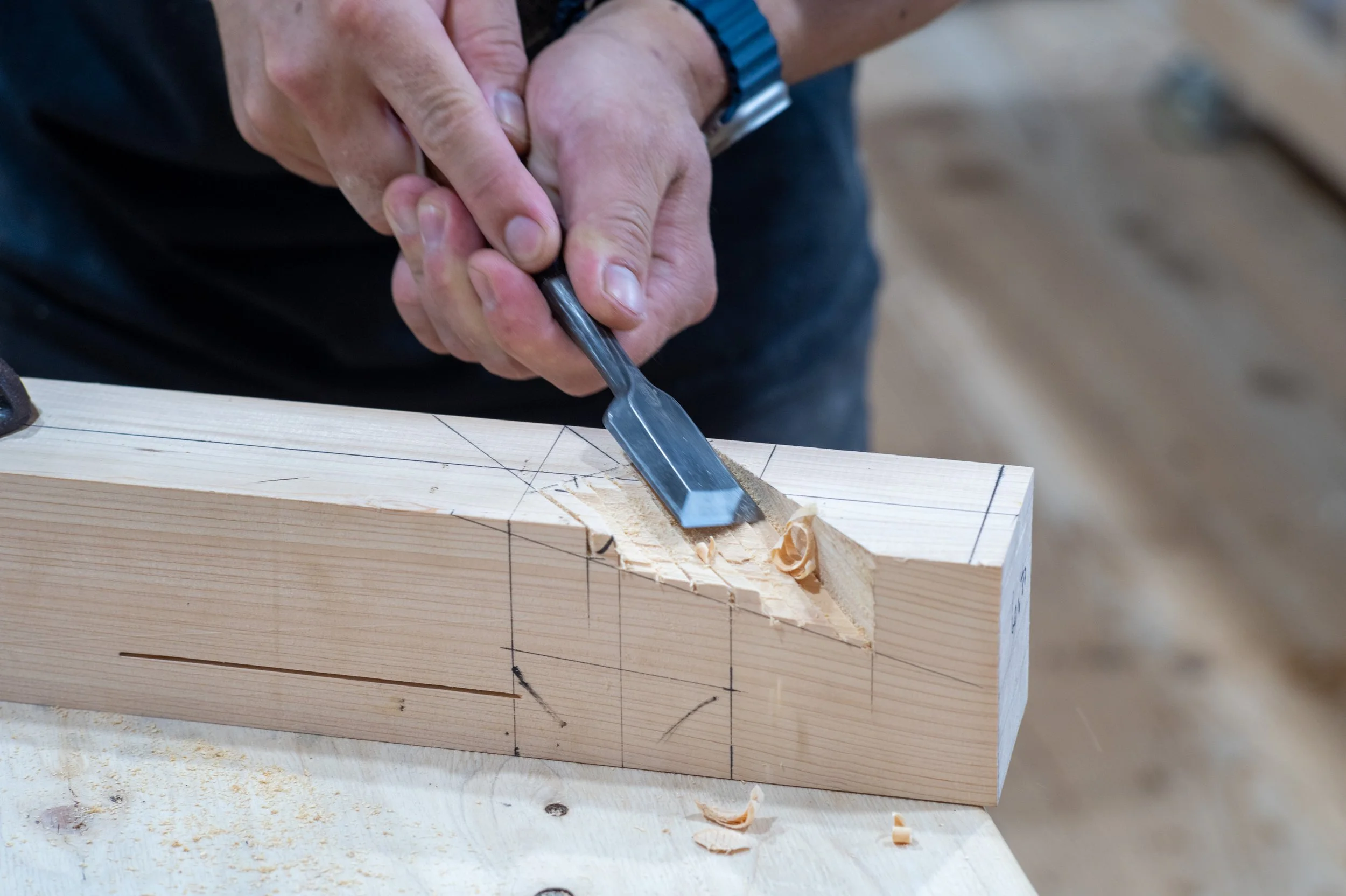
I like to look at it as having a friend in the practice of carpentry. When you're around someone who has honed their craft, you watch how they hold the chisel, how they hold their body, you hear the sound their tools make working the wood — all that sort of thing.
You can definitely think about it. You can even take notes.
However, in the end, the only one who really teaches you to do any of it — is you. Without words, we take up teaching ourselves the way of carpentry, as the Japanese call it By just doing it. It’s almost as if we are just remembering something already inside of each of us.
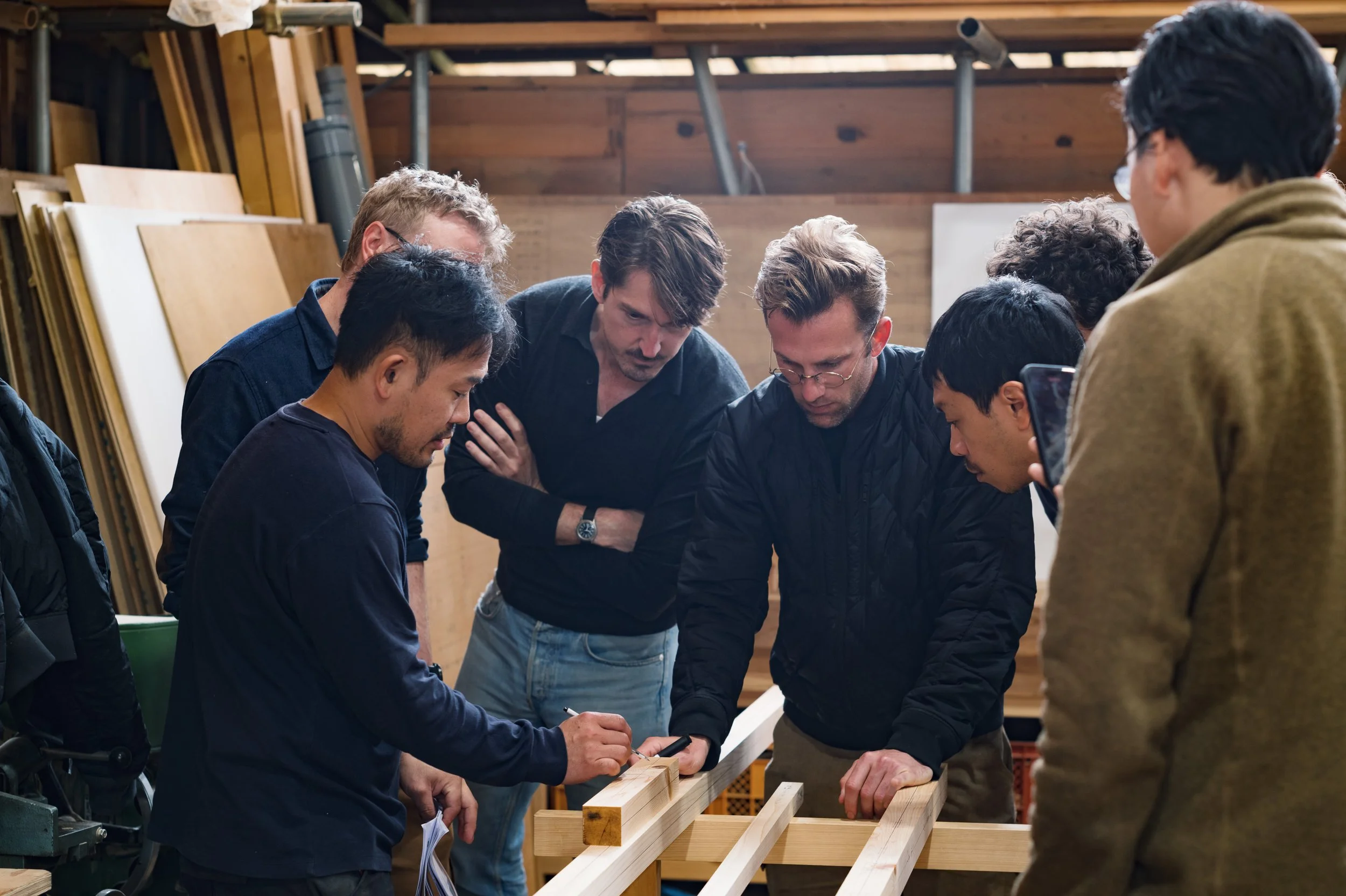
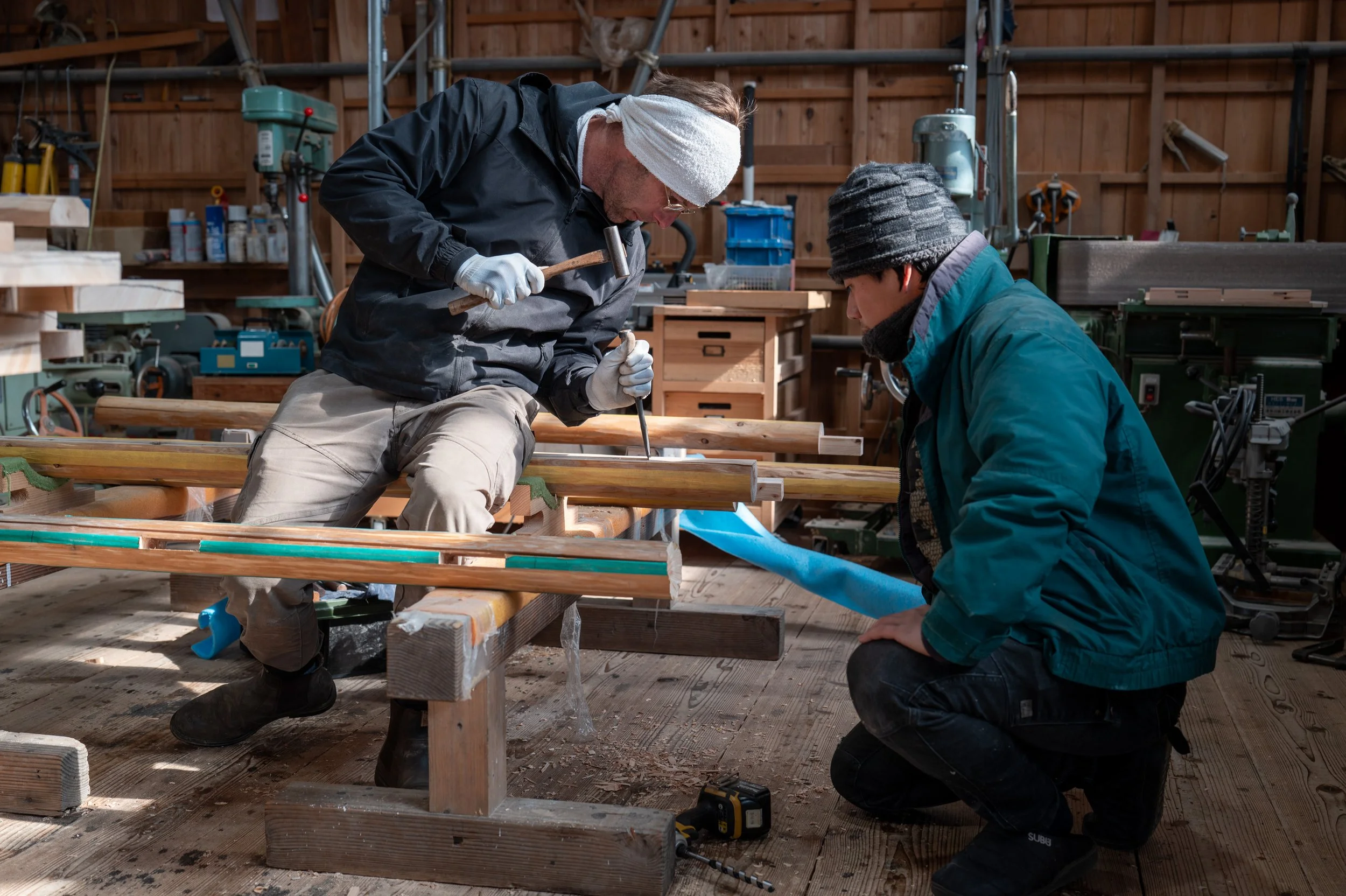
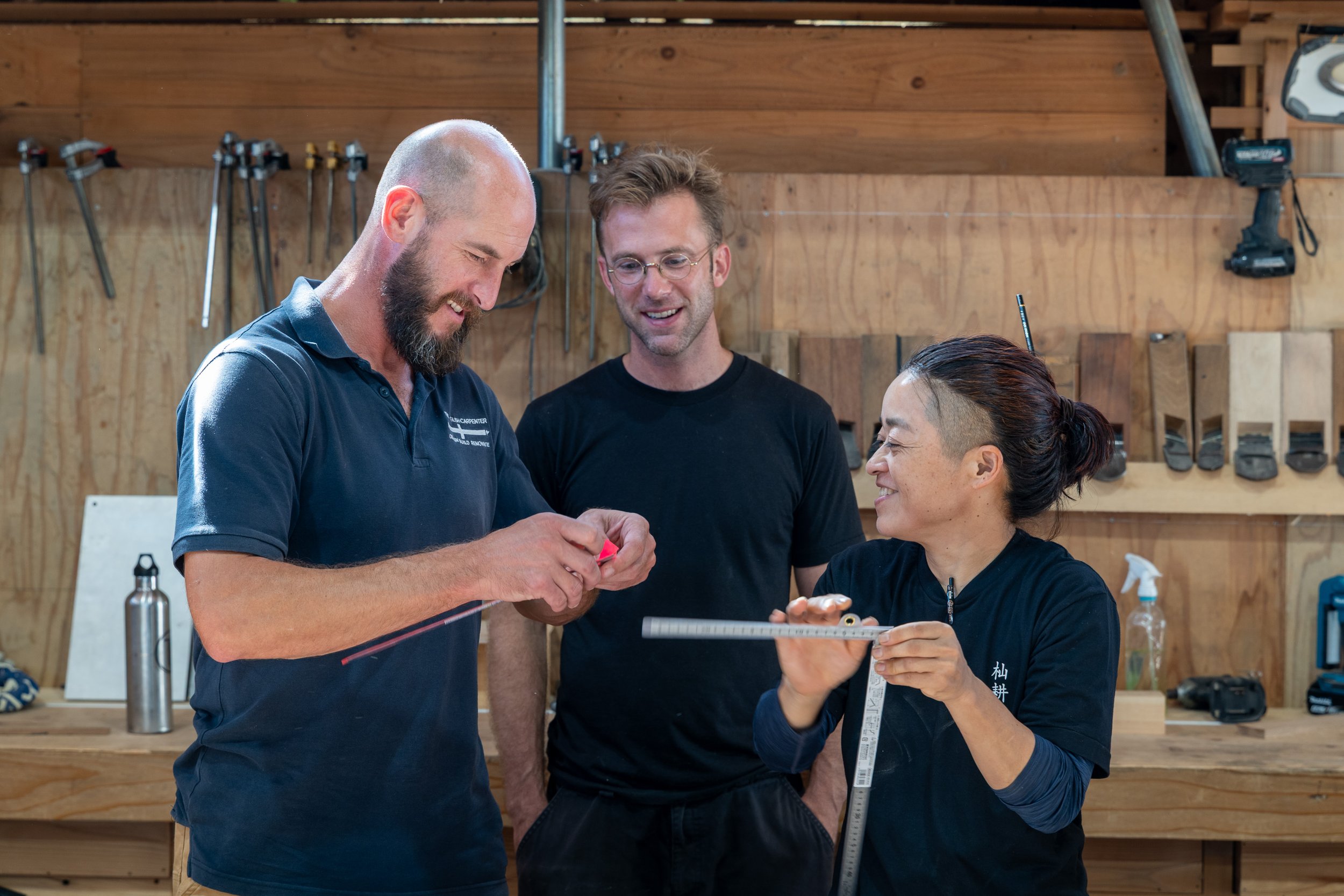
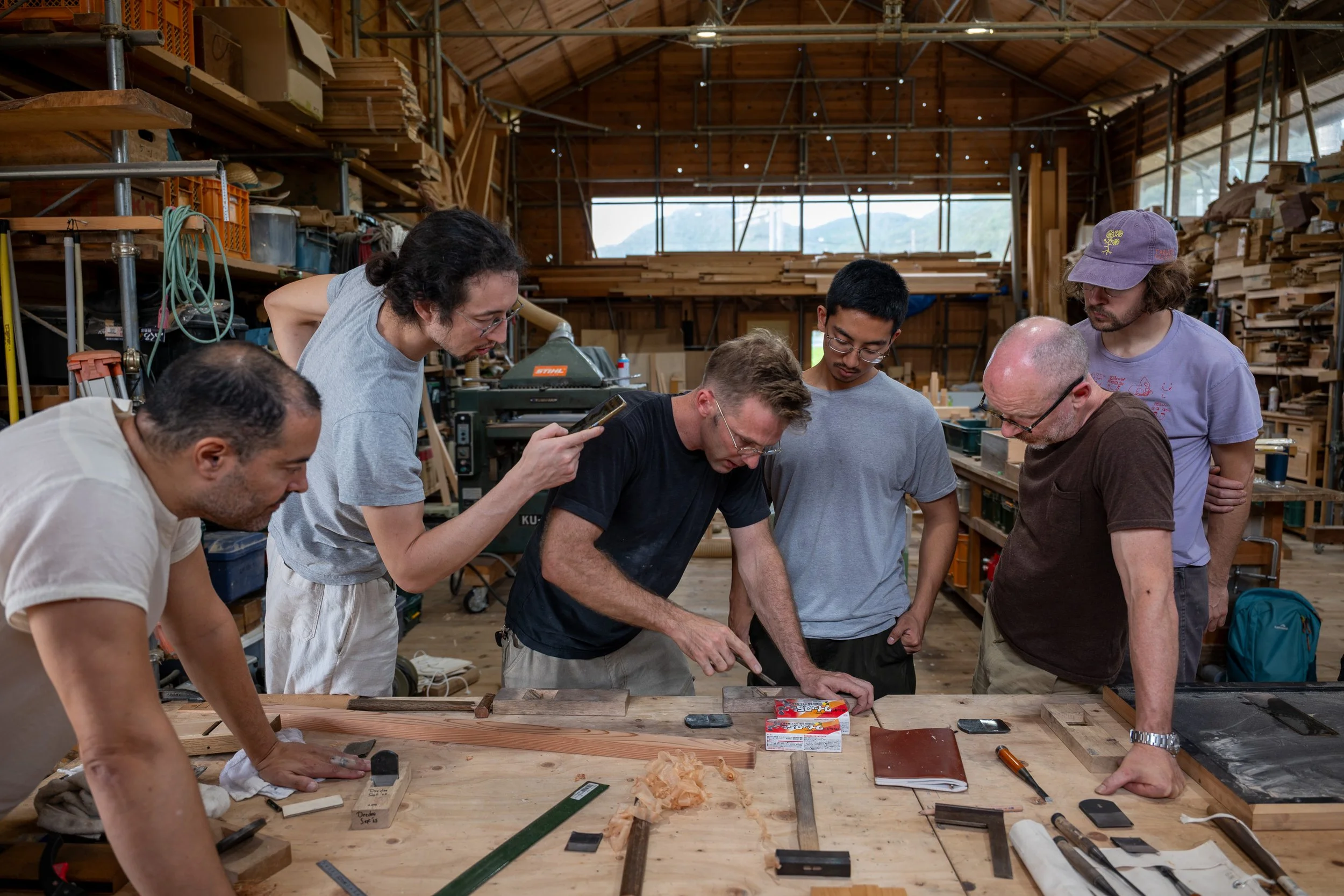
The teachers at our school are here as friends. They are also practicing carpentry, and have a considerable amount of experience doing it. They’d love to talk with you about their idea of how they do it, but don’t take their word for it, watch them. We'd love to learn from you all where we can as well.
So the school and its teachers is a safe place to watch and steal.
To soak up.
To share.
To realize the craft of carpentry that's inside each of us, not owned by any of us in any way.
It also means, in a way, that the ownership of learning is on you. In this day and age we have A.I. — and before that the internet — and before that, books, and all these different things — so we can get a lot of data about most anything. The truth about carpentry, whether it's planning out a project or actually performing the cutting, the joining of everything, is that you have to do it. That's how it becomes your own.
We look forward to practicing together.
The Lineage is now.
Tradition is now.
—J.A. Stollenmeyer
Your Courses
Foundation
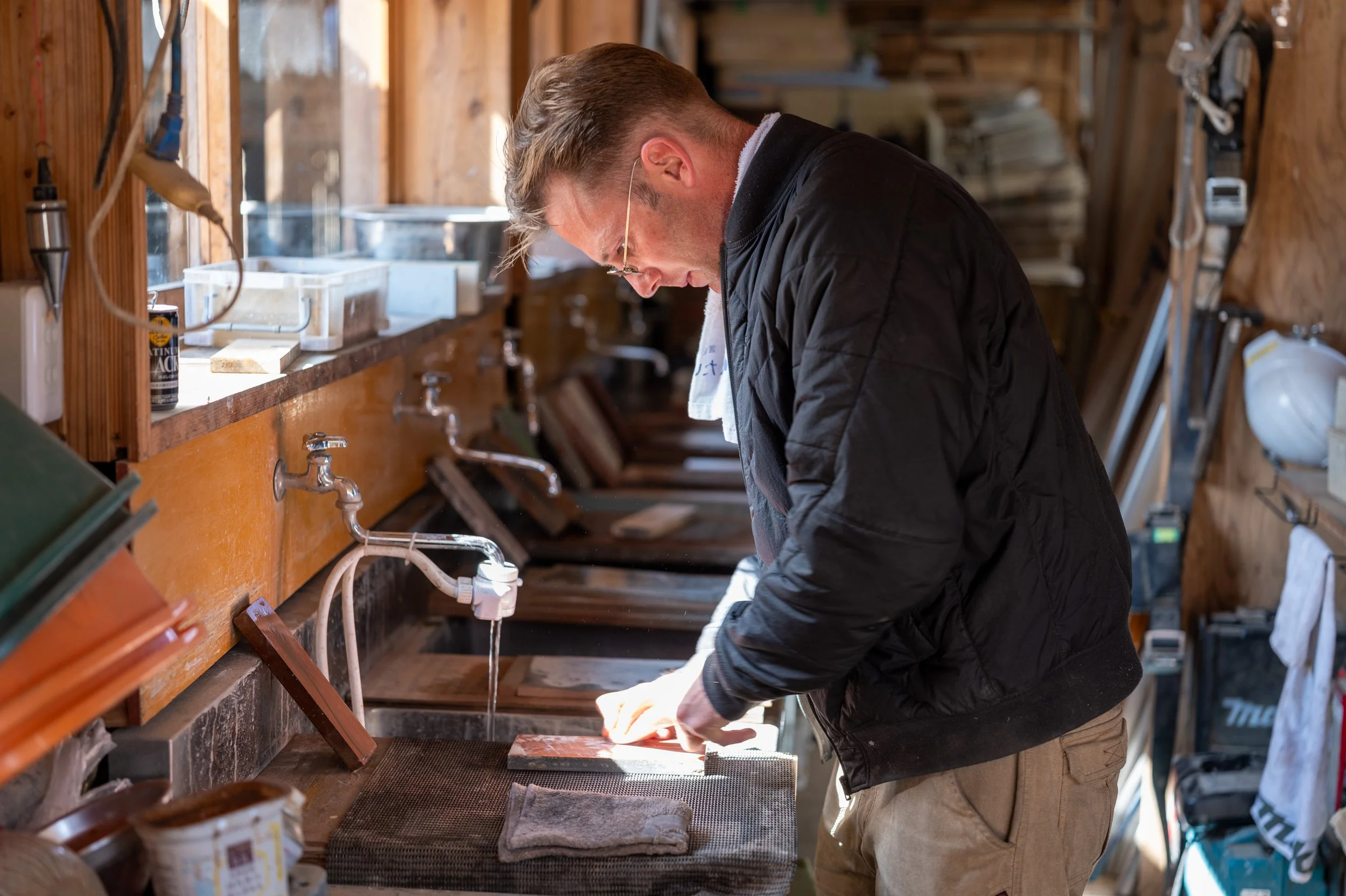
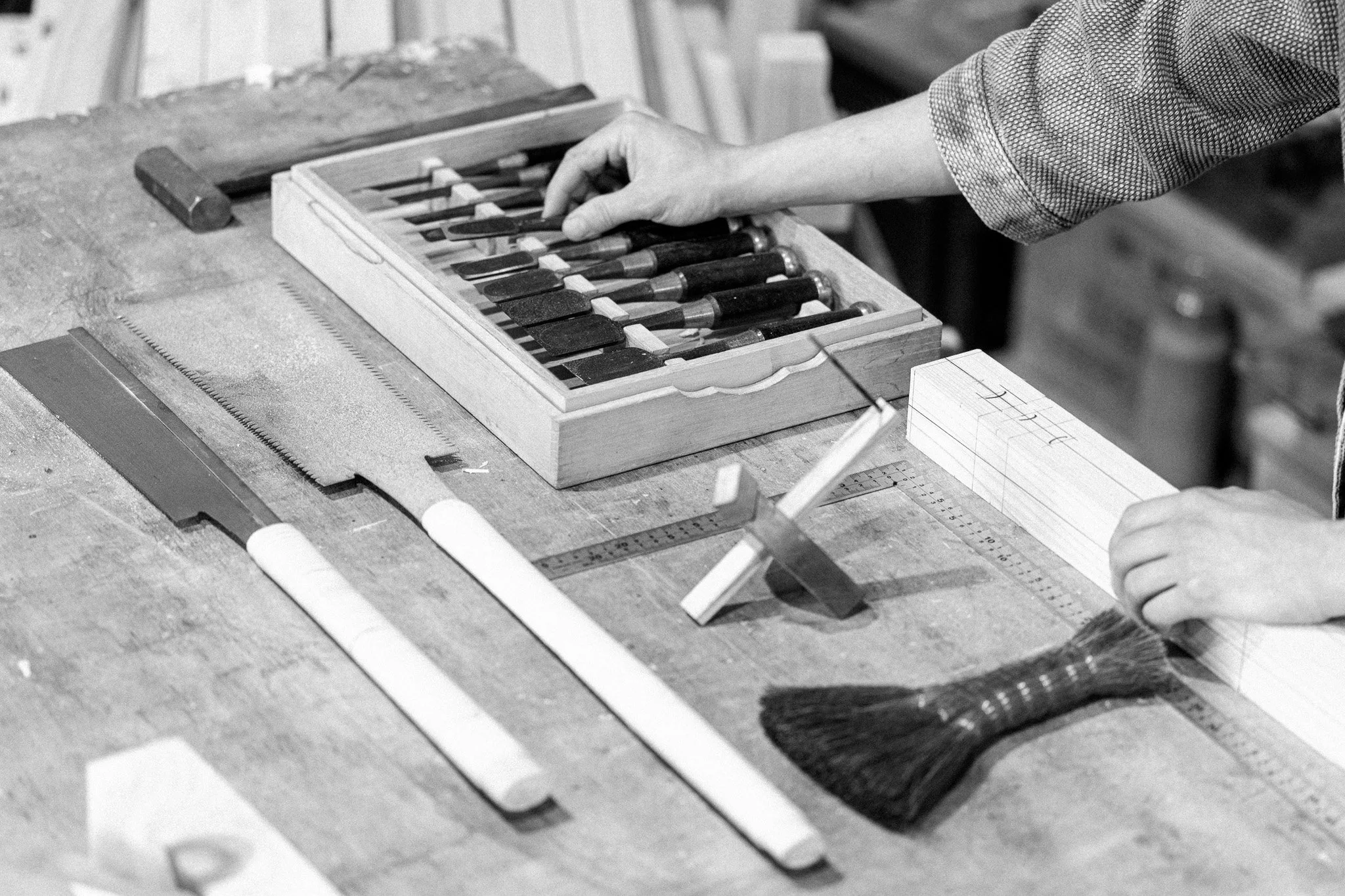
Essential Japanese Tool Setup, Sharpening and Joinery
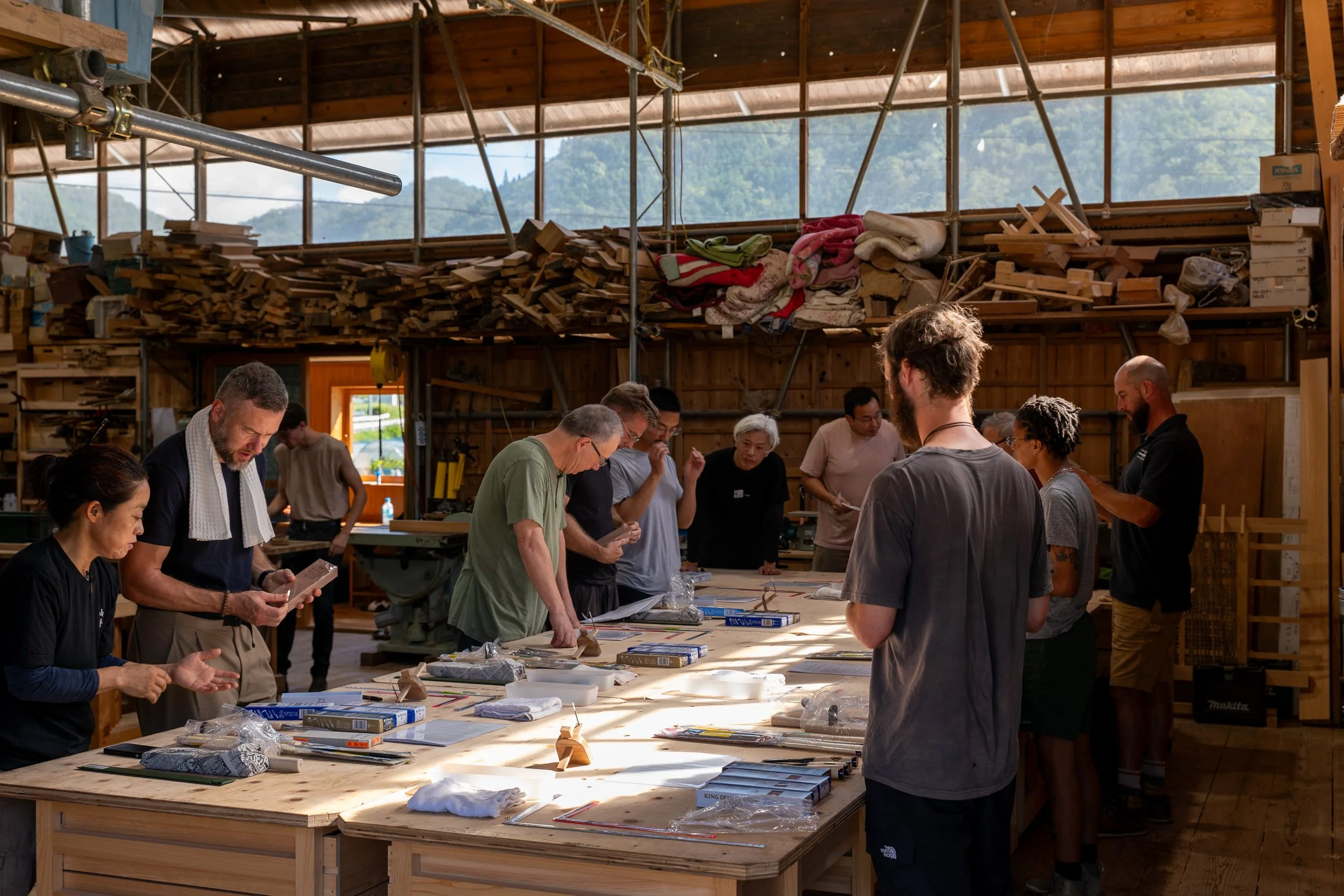
This class gives students a fundamental understanding of Japanese tool set up, sharpening, layout and joinery. Designed for all levels and abilities. Prerequisites: None.
Intermediate
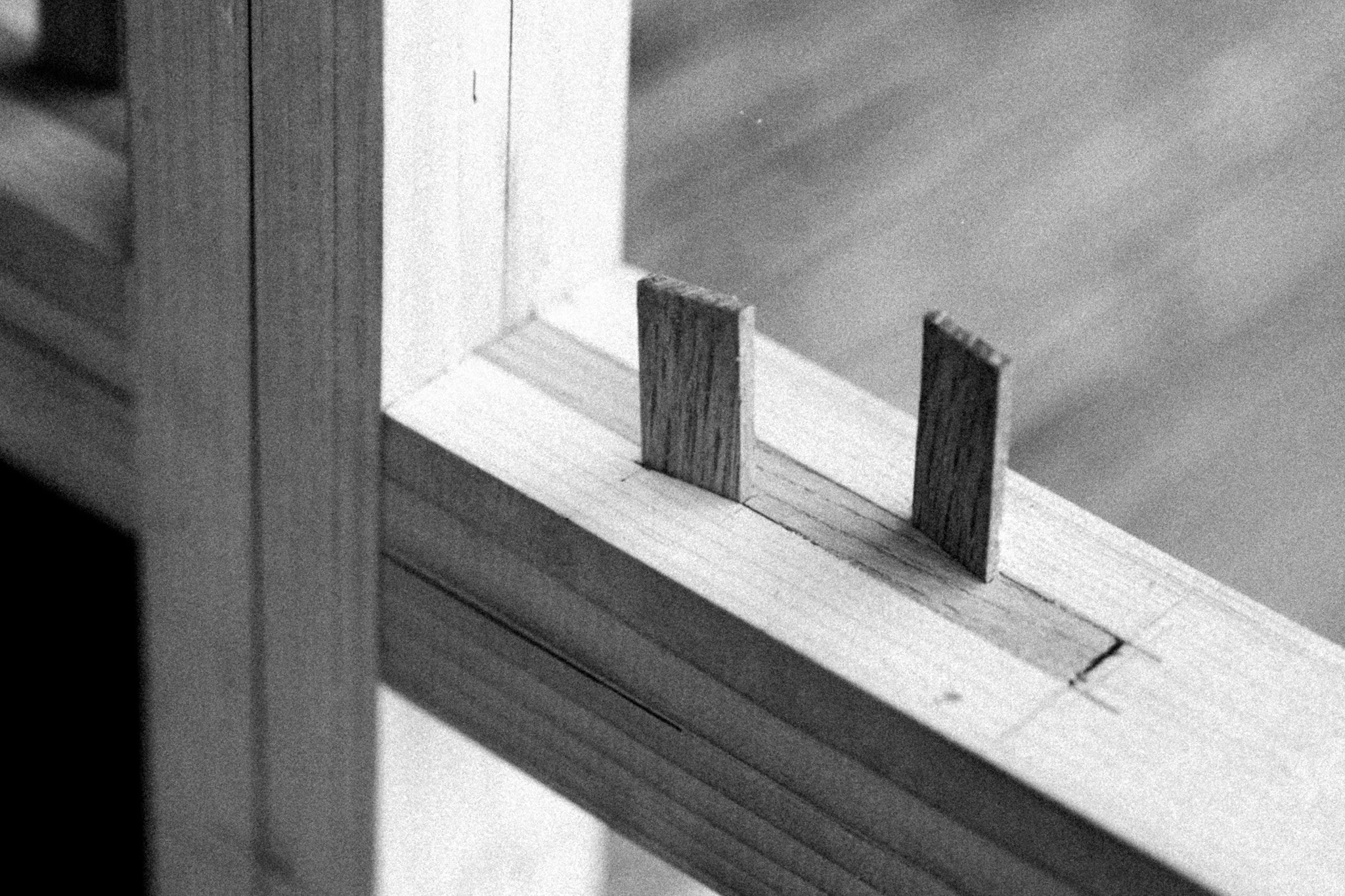
Building a Timber Frame
Intermediate course students will collaborate to build a 1/3rd scale model of a traditional Japanese timber frame. From designing, to cutting, to scribing, you will learn a variety of joinery and assembly methods. Prerequisite: Foundation
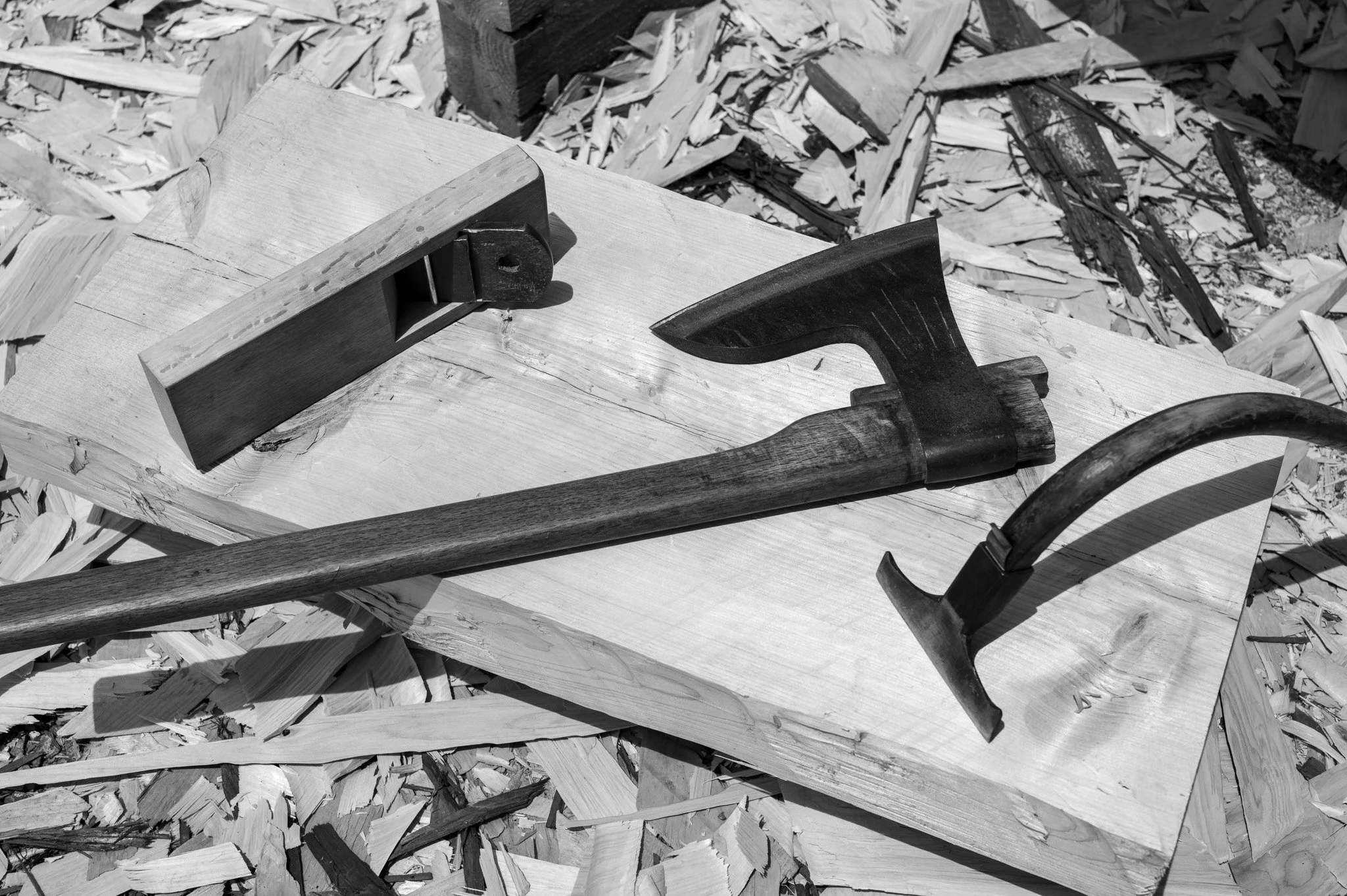
Kanna / Surfacing
NEW: Finishing With Plane, Axe, and Adze
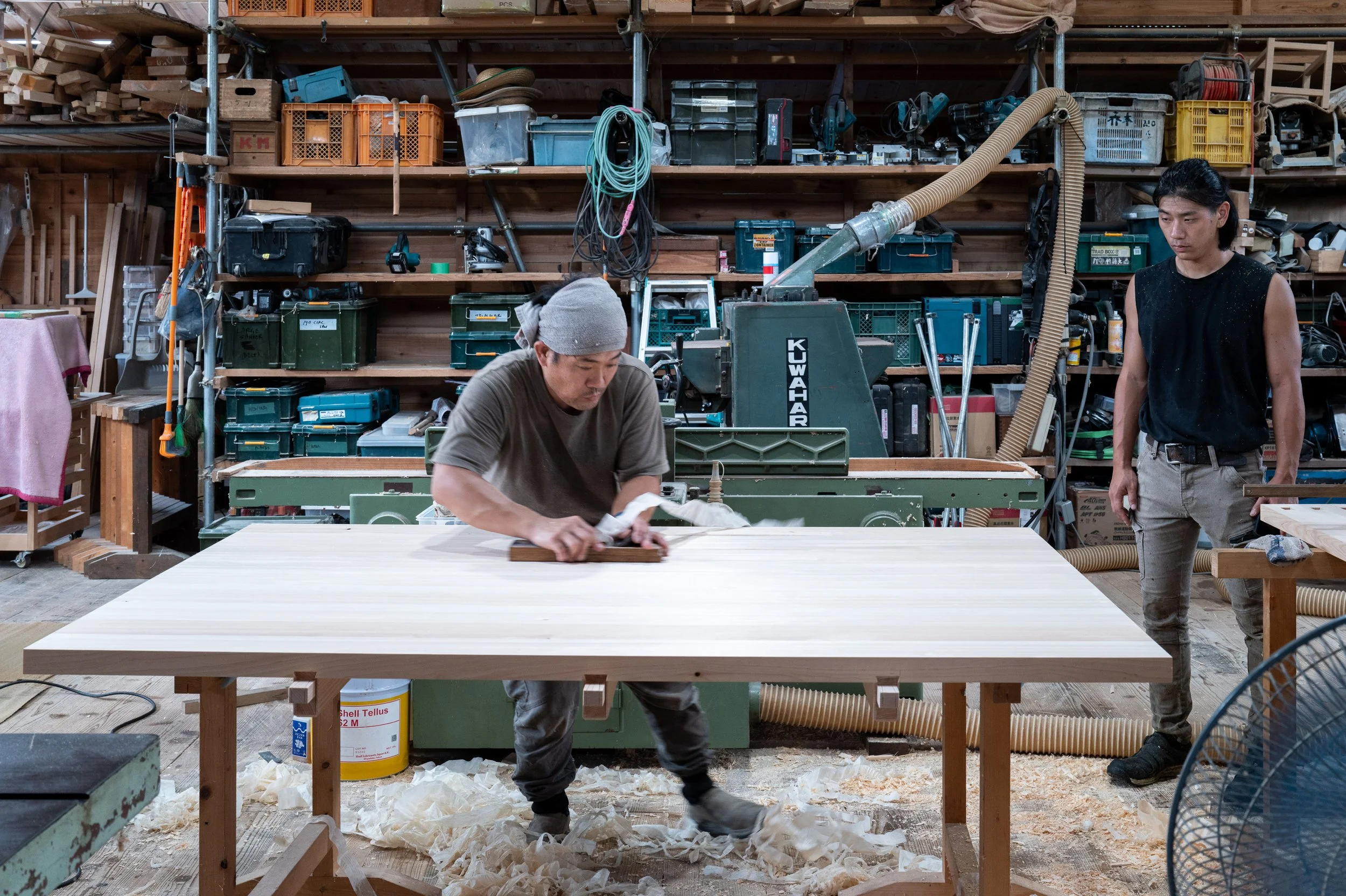
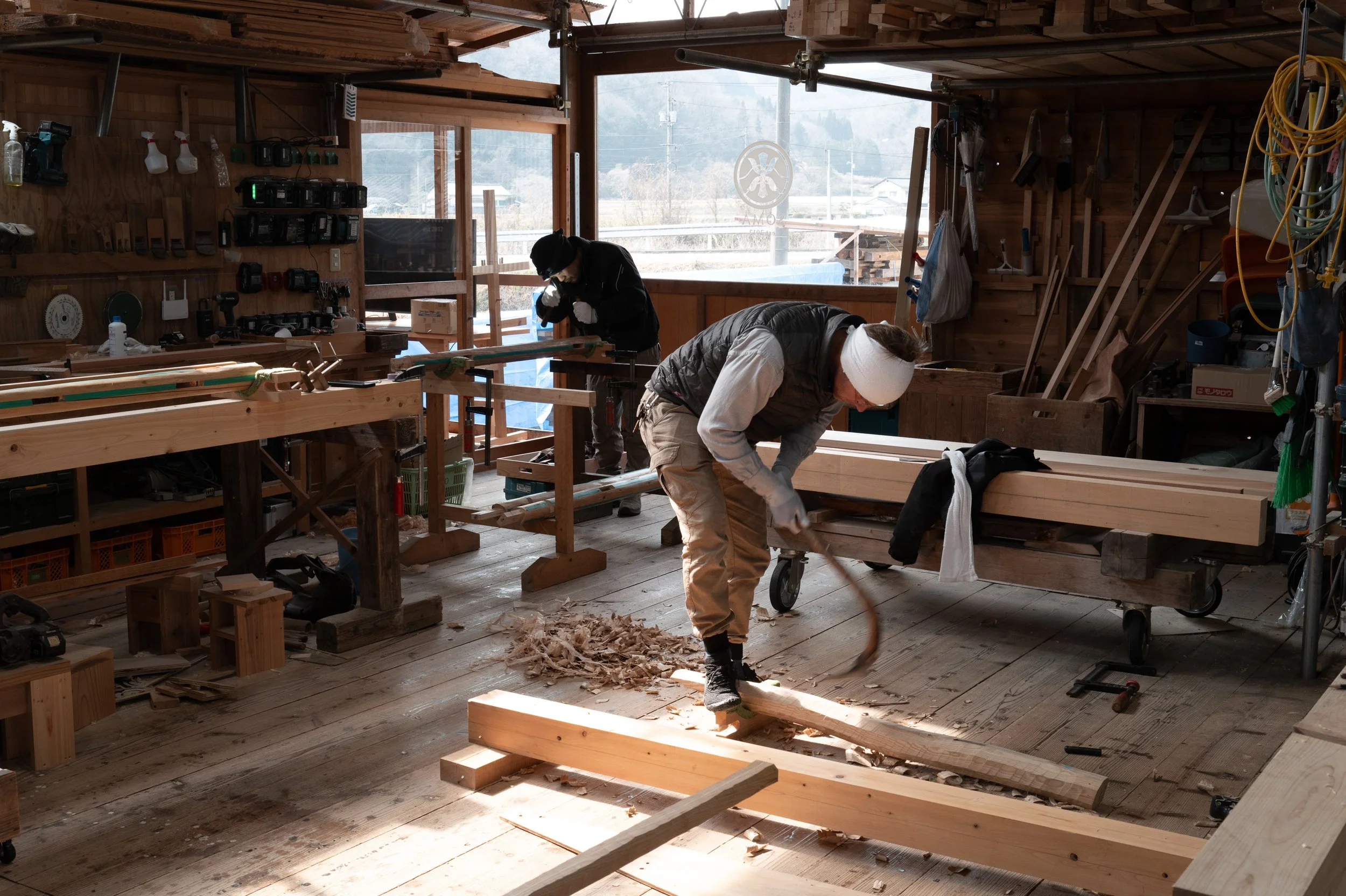
This class begins with an overview of kanna (Japanese hand plane) set up procedure and use. Instructors will also demonstrate and advise students on masakari (axe) and chouna (adze) setup and use. Prerequisites: Foundation
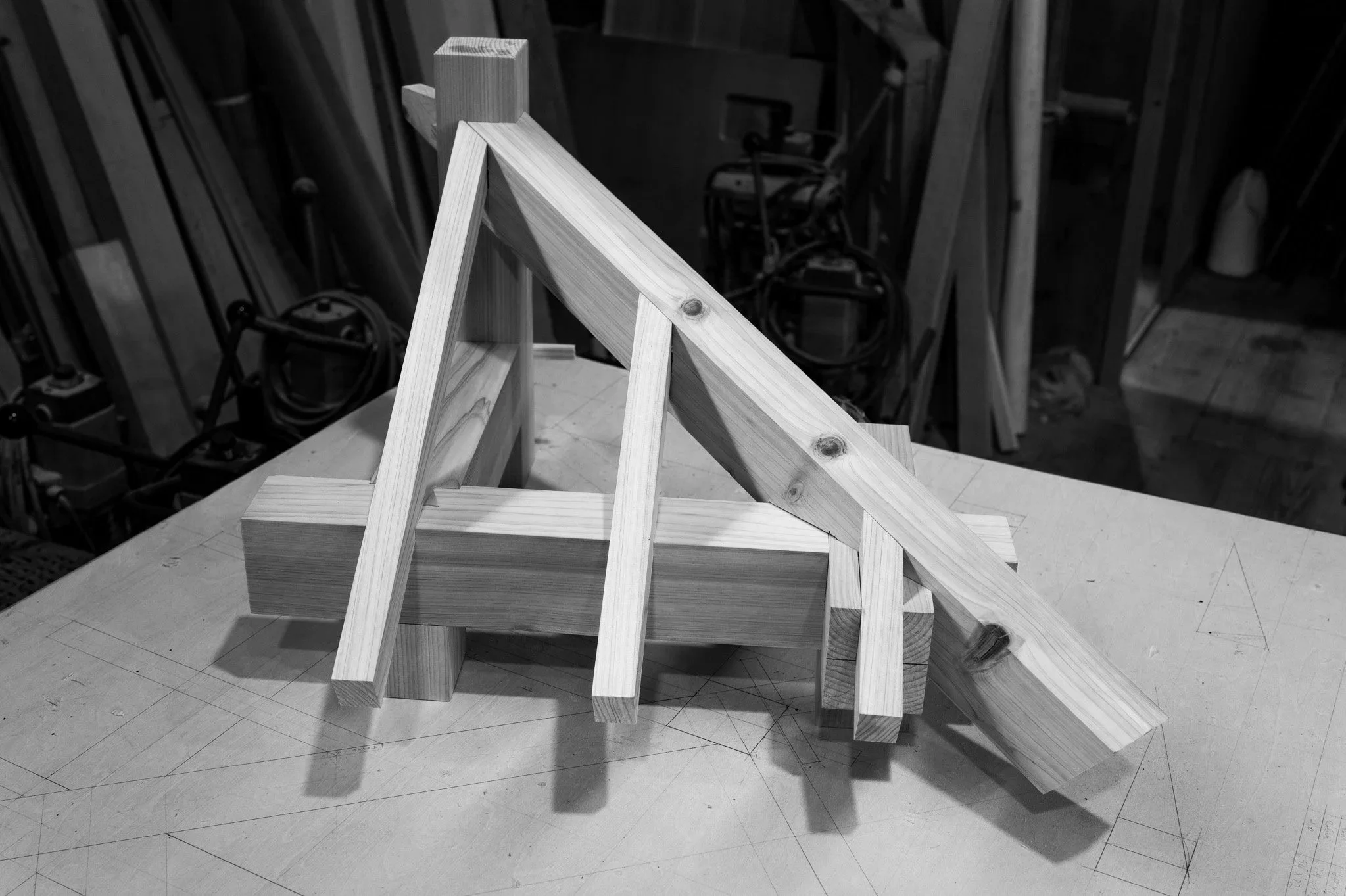
Advanced I
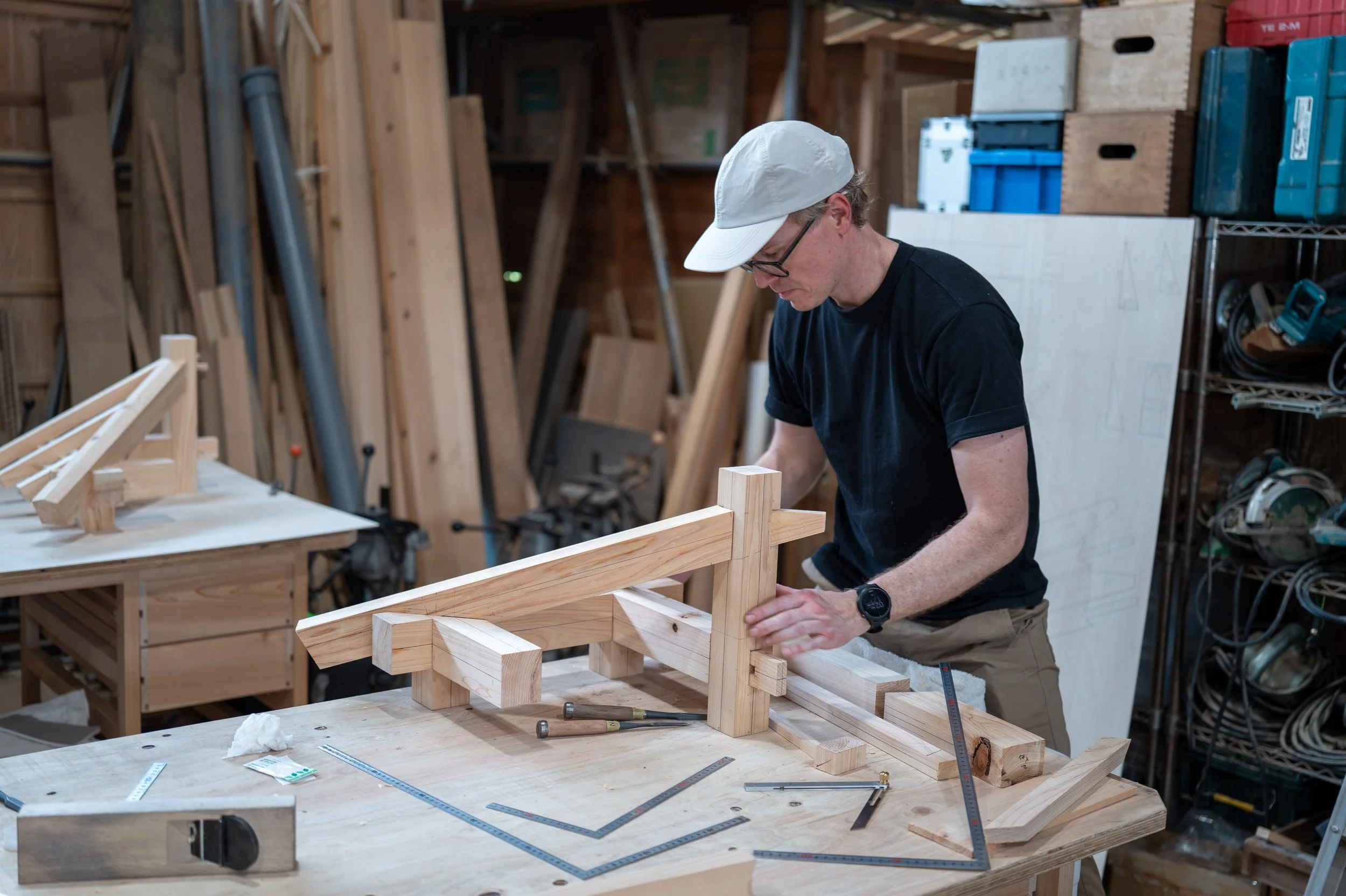
Hip Rafter Layout and Construction
The first advanced course breaks into the world of the Toryo’s (head carpenter’s) role. Learning the basics of roof design, you will be challenged with more complex joinery and gain a deeper understanding of the origins of traditional Japanese proportions and aesthetic. Prerequisite: Foundation and Intermediate
Coming Soon: Real Construction Course
Experienced students will participate in a real construction project. Please let us know if you’d like to be notified when this class is formally announced. Prerequisite: Foundation and Intermediate.

Fine Woodworking:
Doors
An intensive workshop on door and window making. Learn the basics of designing and making a door, as well as the various door types, inserts and hardware that can go with it. Recommended Prerequisite: Foundation
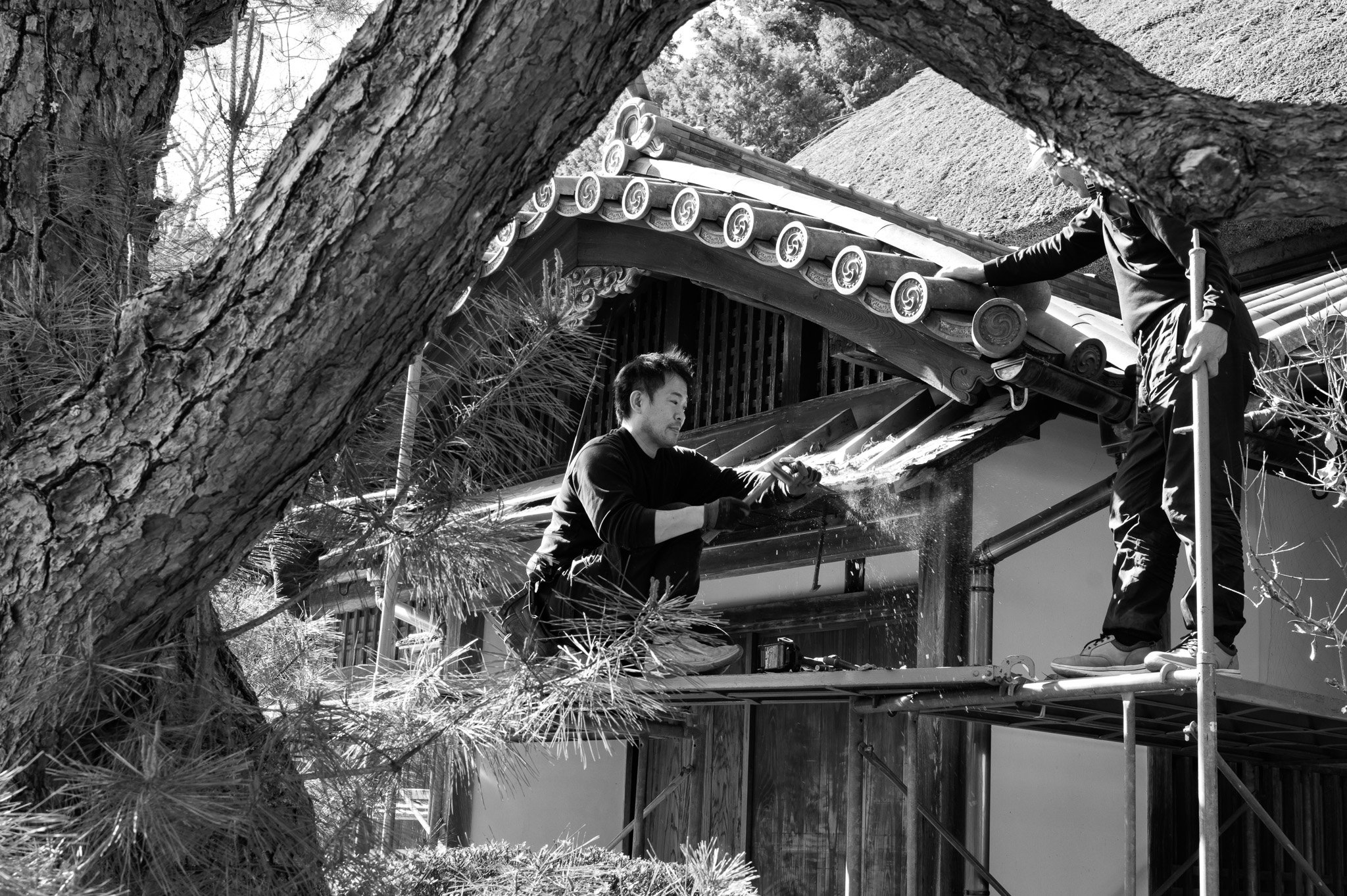
Advanced: Real Construction

Fine Woodworking:
Kumiko
An intensive workshop on kumiko making. Learn the tools and jigs needed to make kumiko patterns by hand. The workshop will give each student the opportunity to cut and fit pattern pieces for different types of jigumi (foundation grid) and will culminate in the creation of their own kumiko panel. Prerequisite: Foundation

Traditional Japanese
Plastering
An intensive workshop in traditional Japanese plastering and contemporary earth and lime finishes. We will introduce the history, plastering procedures, materials and tools, with an emphasis on plastering fundamentals. This workshop is for all levels and abilities.

Fully customizable | Worldwide
Custom Workshops
Fully customizable | Worldwide
Please contact us directly if you are looking to customise a class or workshop to your needs, or have a need for a guest instructor. Please email us at: somakoshaschool@gmail.com
Meet Your Instructors
-
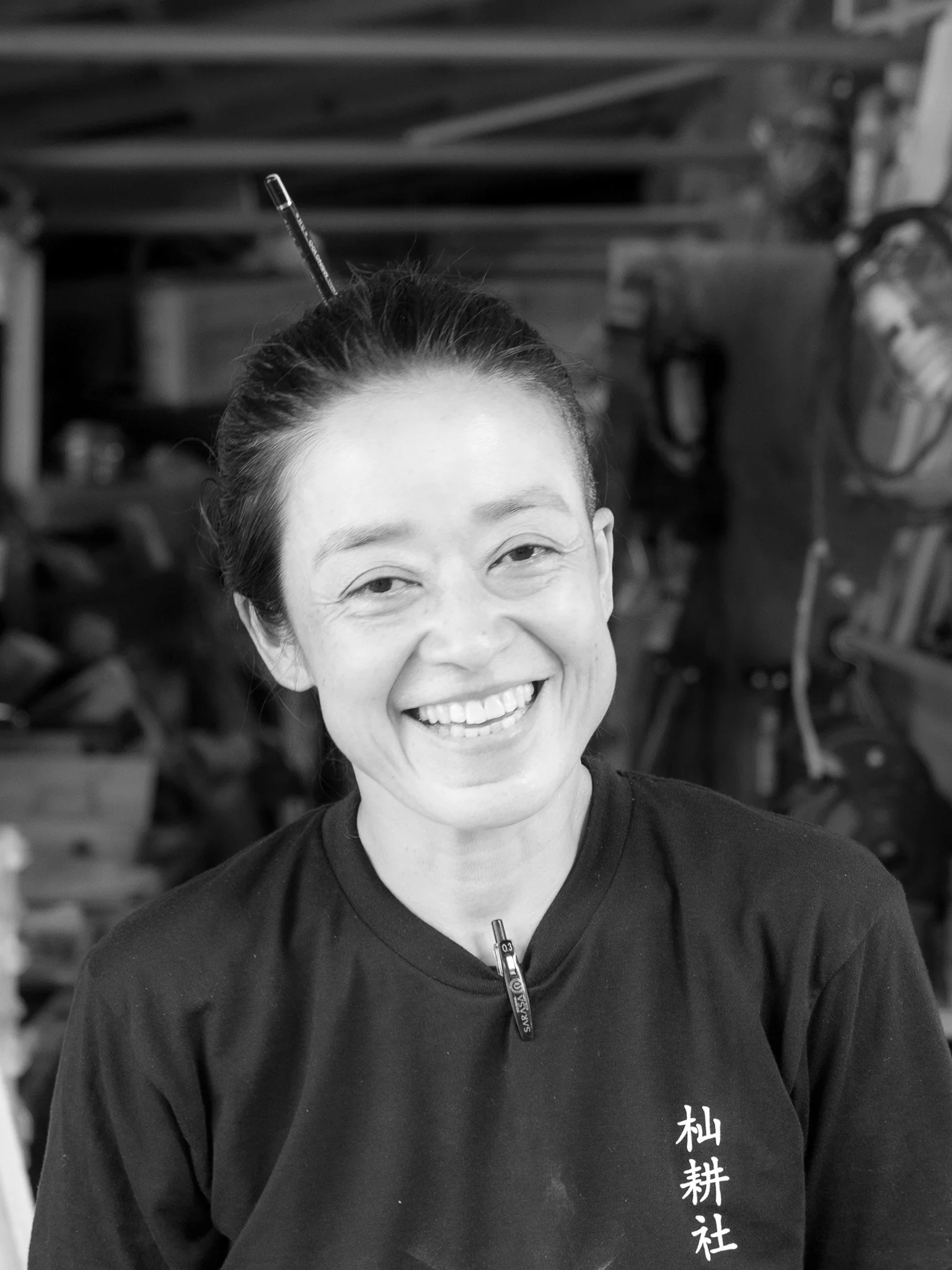
Yoko Honda Ryo
INSTRUCTOR, CARPENTER
1st Class Licenced Carpenter | 2nd Class Licensed Architect | Certified Vocational Instructor (Architecture)
Yoko trained as an architect, then drove solo across Australia in 2000 exploring modern architecture. She returned to Japan to pursue kominka restoration in the northern snow country, before joining Somakosha. Her guiding kanji: 古教照心 — ancient teachings illuminate the mind.
-

Zac Vinson
INSTRUCTOR, CARPENTER
Zac comes from a line of carpenters in Tennessee. He started learning carpentry from the age of 7 and began his professional woodworking career after turning 18. Before joining Somakosha as a carpenter, Zac ran a successful woodworking company for over 7 years. He has since then worked together with Somakosha on residential and temple restoration projects.
-

Kohei Yamamoto
FOUNDER, SOMAKOSHA
1st Class Licensed Architect | 1st Class Licensed Carpenter
Before founding Somakosha, Kohei worked on many famous temples and shrines - including the Grand Shrine at Izumo, one of only two Grand Shrines in Japan. He is one of the first carpenters to re-introduce the traditional Ishibatate style of construction to the modern era. -

Jonathan Stollenmeyer
PARTNER & DIRECTOR, SOMAKOSHA
BS.Arch, DAAP, University of CincinattiBefore becoming a partner at Somakosha, Jon apprenticed at Nakamura Sotoji Komuten. This world-renowned Kyoto carpentry firm specializes in Tea-House Architecture. He has worked on renovations of the teahouse at the Grand Shrine at Ise. He also has experience with high profile luxury residential and ryokan projects in Japan and abroad.
-

Jon Billing
GUEST INSTRUCTOR
Founder of Big Sand Woodworking
Jon is a highly skilled furniture maker and also the founder of Big Sand Woodworking. His studio based in Ibaraki, designs and makes custom furniture for clients within Japan and abroad. He frequently collaborates with Somakosha on their residential projects.
-

Kyle Holzhueter, PhD
GUEST INSTRUCTOR
Founder of Permaculture Center Kamimomi
Kyle works as a builder, researcher and educator specializing in natural building materials and sustainable systems such as light rice husk lime insulation, natural plasters and energy efficiency. He is a graduate of the Kyoto Plastering Institute and the first westerner in Japan to pass the highest level Japanese National Plastering Exam. He also has a PhD in Bioresource Sciences from Nihon University where he researched the hygrothermal environment of straw bale walls and building practices to control moisture. In 2017 Kyle founded Permaculture Center Kamimomi, a Permaculture demonstration and education site in Okayama, Japan.